User experience nowadays encompasses every device. Any device with a screen now more than ever needs the attention to detail, else the product fails. Period.
Virtual reality is no exception.
Though many developers concentrate on the overall experience of the virtual world, one of the most often overlooked feature is how the user exits the experience.
This is vital to the overall experience, then again you don’t want to leave at the end of your delicious dinner with a sour taste right?
One of the most common complaints in VR is how it feels after they remove the headset. Accept it, we are all there.
There is a lot of opportunity here to redefine the final customer engagement with VR. But to arrive there lets look at the common problems
I was looking the other way when I started the experience.
I thought I was like 5 feet from the wall.
The brightness was more when I removed the headset, it hurt my eyes.
I removed the headset only to see people grinning at me.
The list here is not exhaustive but you get the idea at what we are looking at.
1 Retain the graphics at the end.
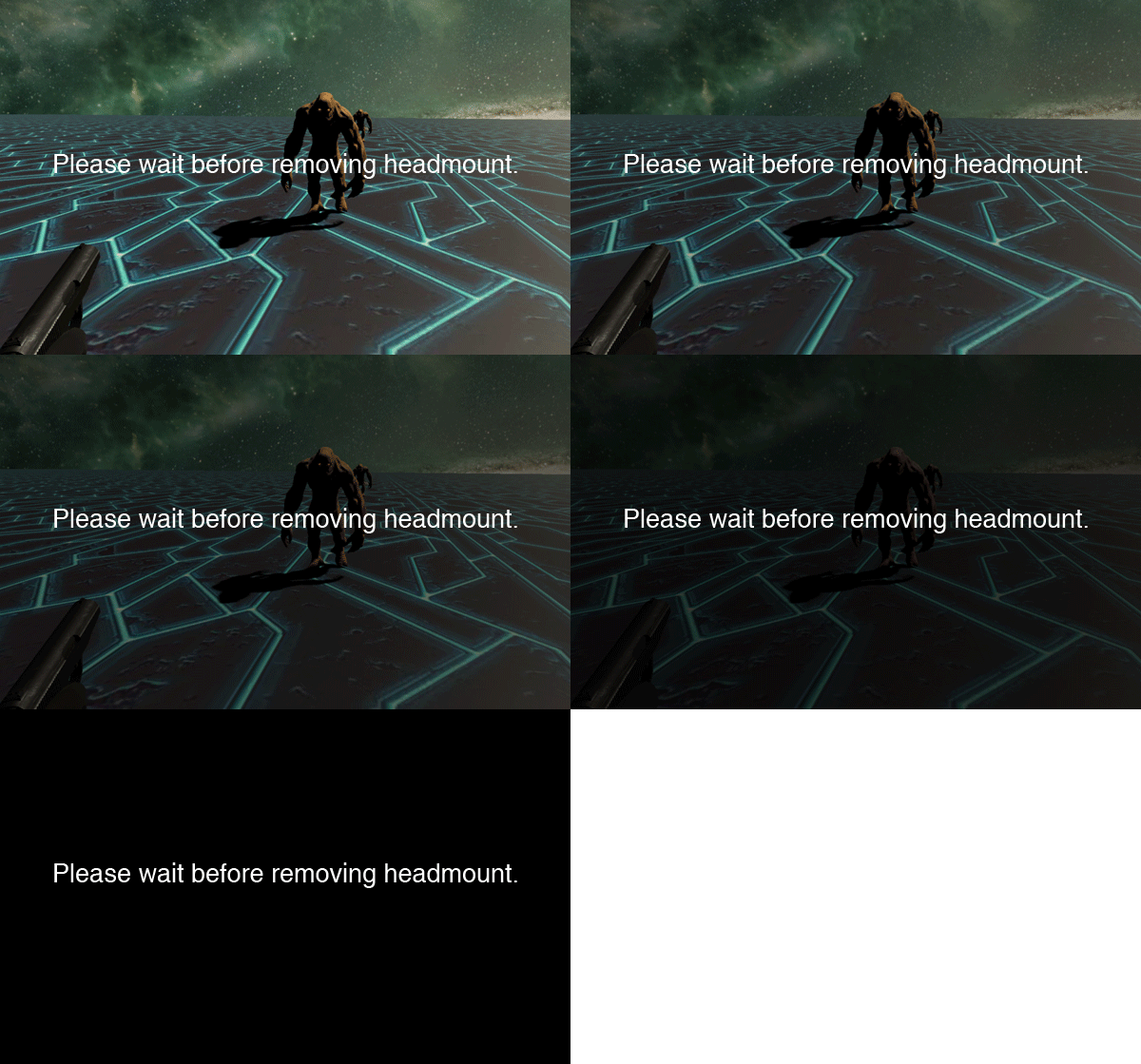
One of the quicker solution is not to make the screen go dark abruptly. Let it stay with the last frame of the experience and let the user decide. And then gradually fade it to darkness.
2 Transit slowly to the real world
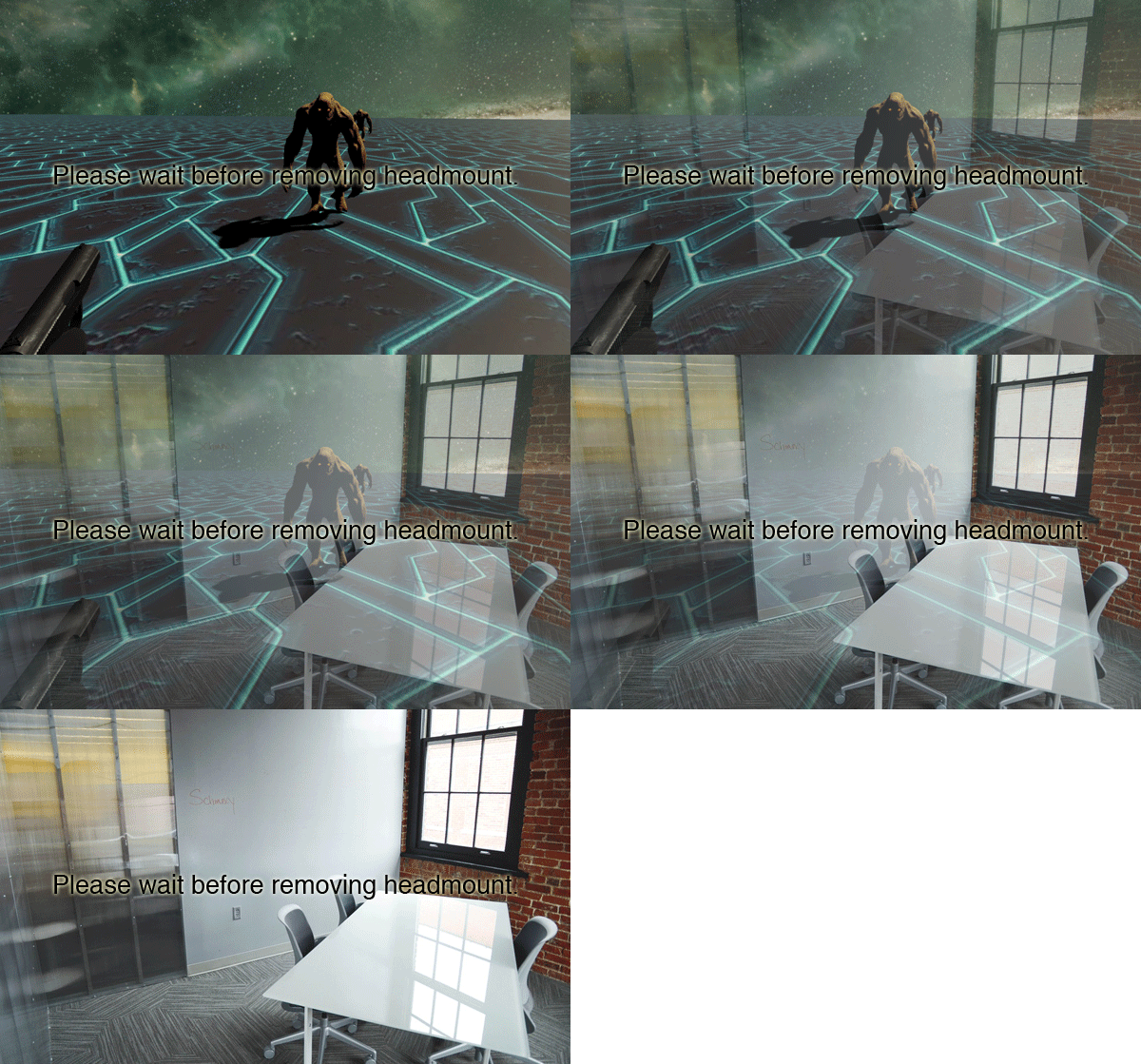
We can use the head mounted camera to an advantage here. Instead of the screen going dark, you can overlay the real world imagery and slowly transition the user to the real world environment.
3 Repositioning virtual objects to real world
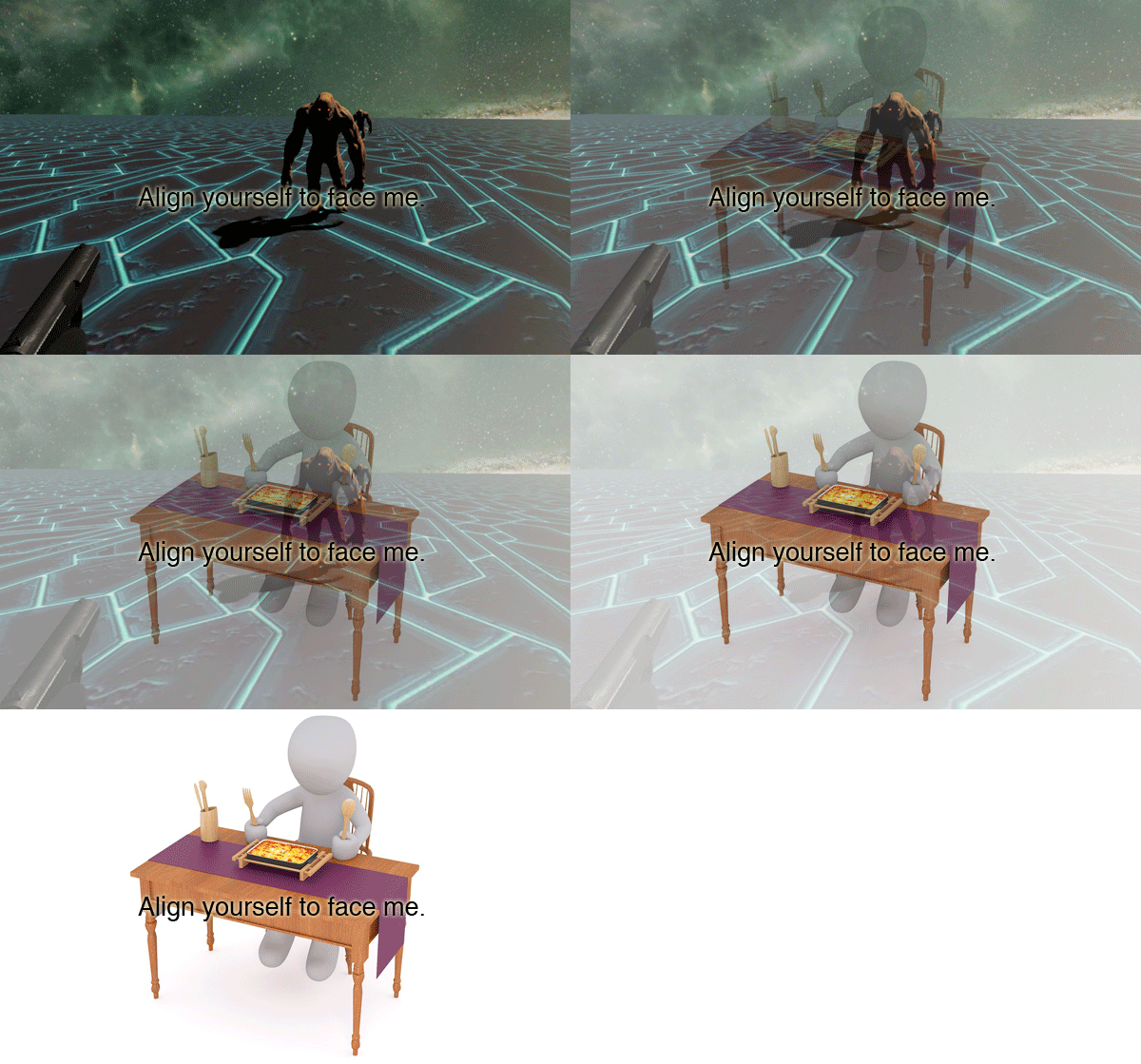
The biggest issue in the end of a VR experience is the orientation of the person. You can overcome this by slowly aligning a VR object to the real world scene. This helps the user to adapt to the scale of the real environment and also help in orienting themselves.
There should always be a smoother transition between real world and the virtual.
And though the time spent in exiting a VR experience is very short, it contributes a significant amount to the overall virtual showcase.